About Nethergill
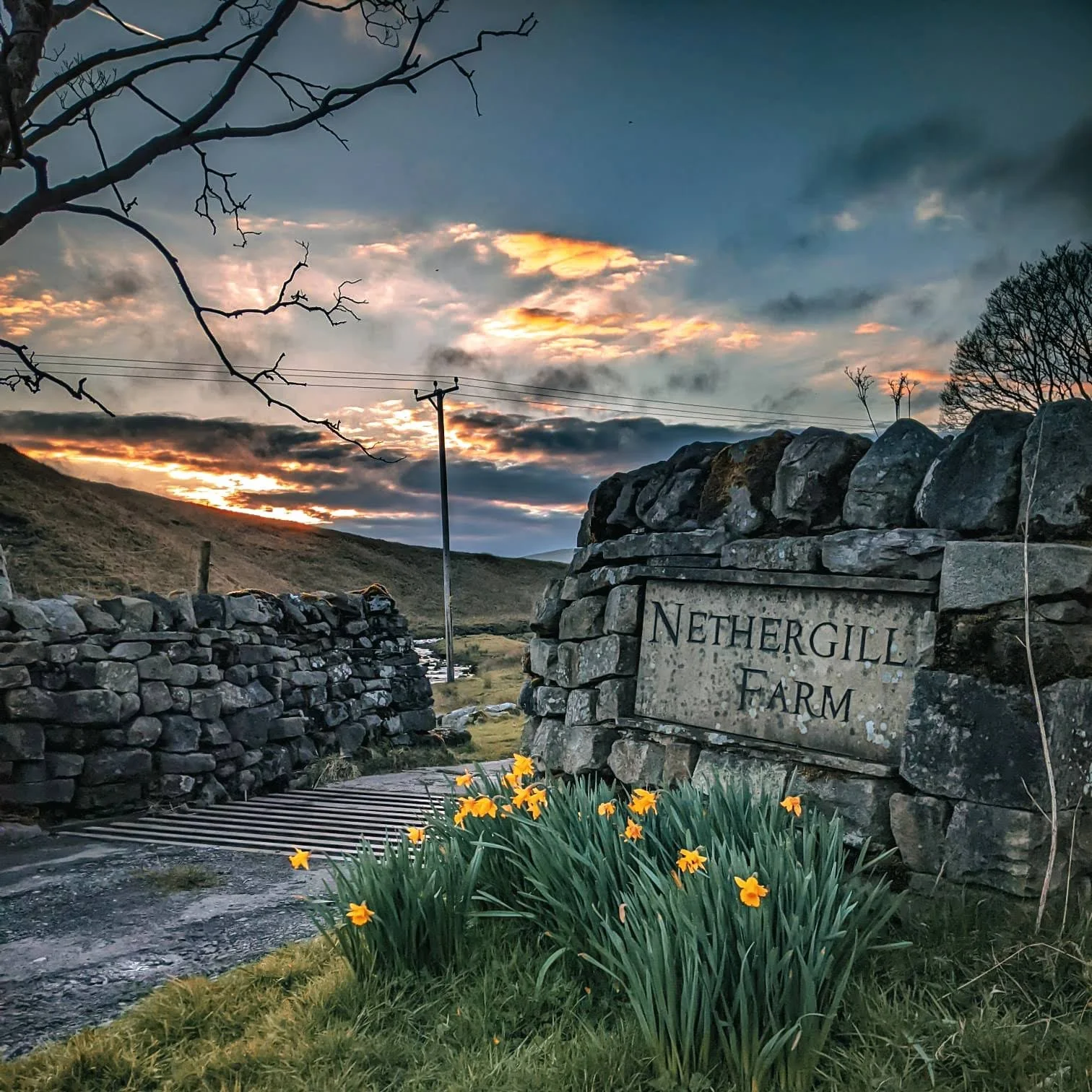
Nethergill Farm fulfils our life-long ambition to create and be custodians of a sustainable working farm and long-term wildlife conservation project.
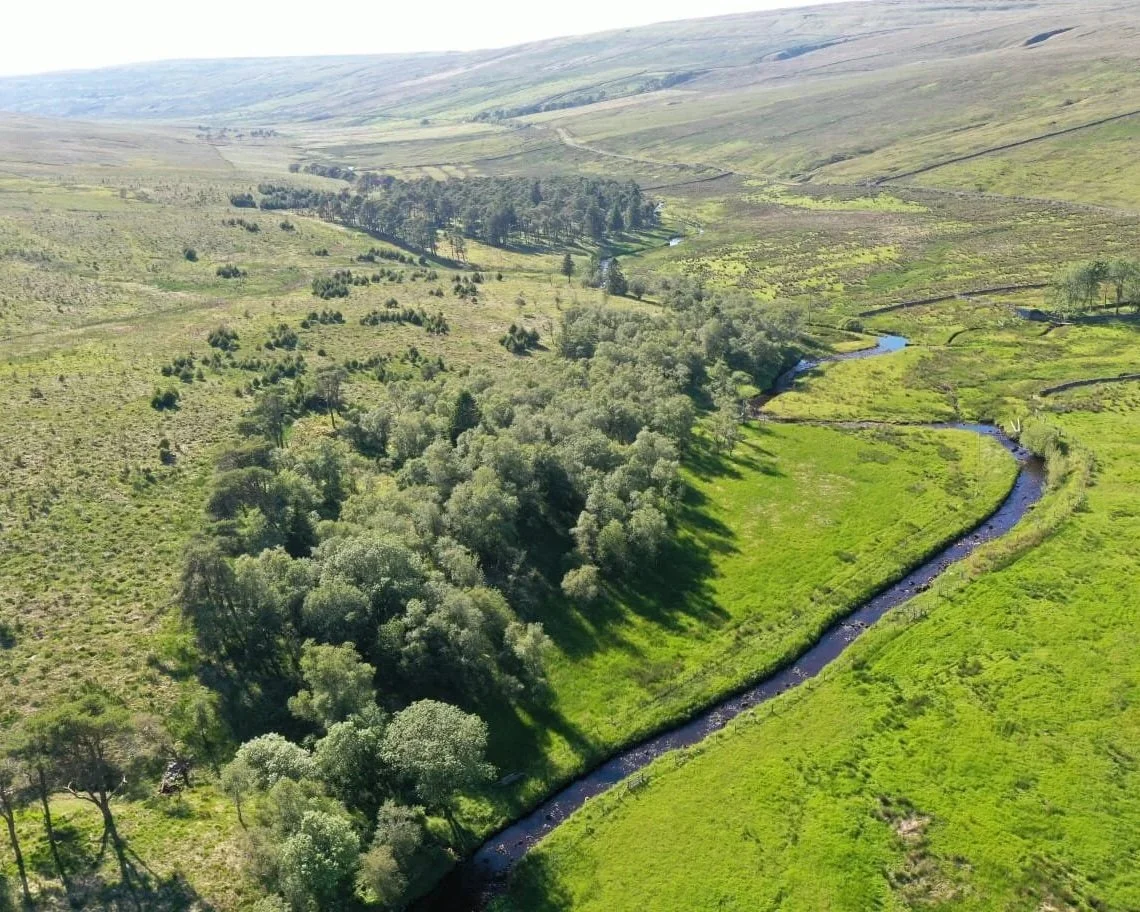
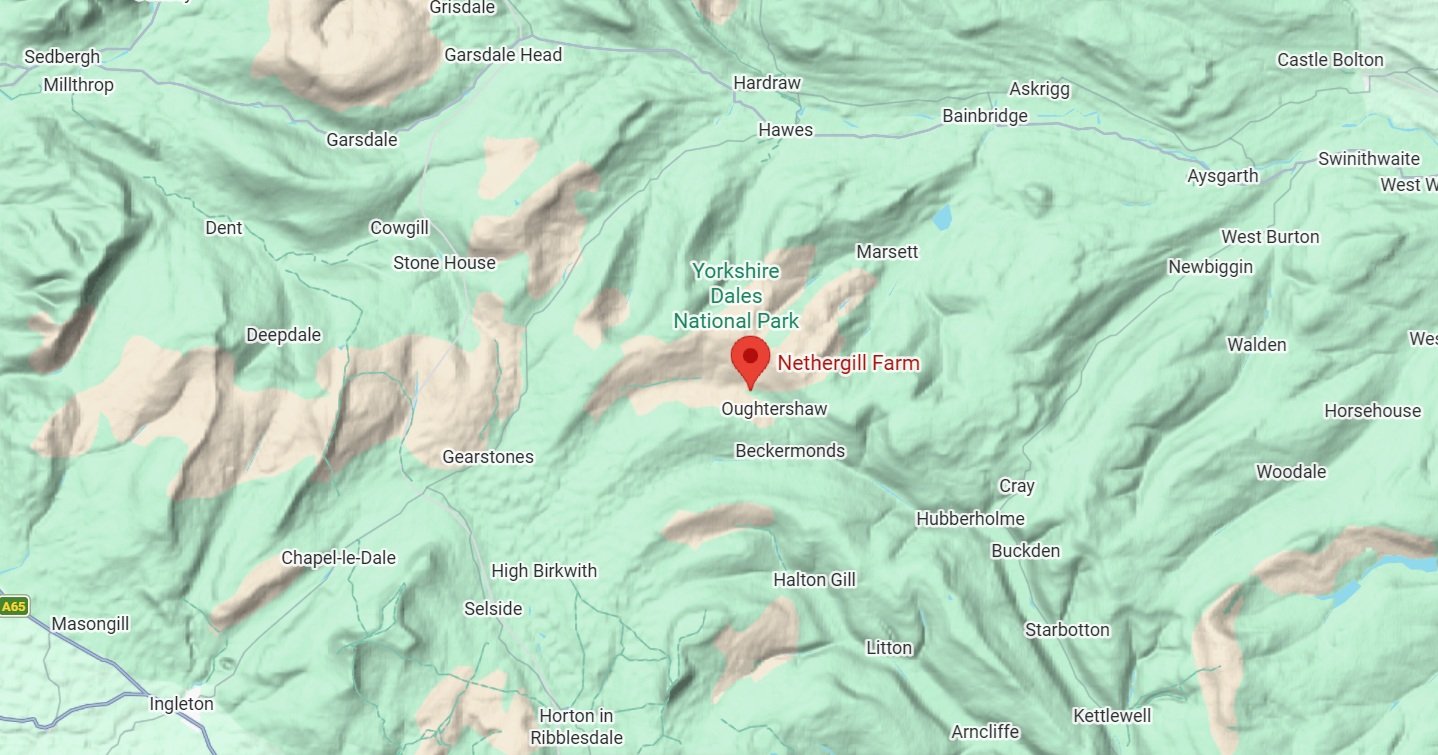
Set in 400 acres at 1,200–1,600 feet, Nethergill is tucked into the hillside beneath the road to Hawes. Close to the farmhouse, 70 acres of pasture offer gentle ground; beyond it, the moor stretches out — raw, wet, peaty, and beautifully untouched. What it lacks in productivity, it more than makes up for in purpose: an ideal landscape for our rare‑breed Belted Galloways and the wildlife that defines the Dales.
-
Nethergill has given us the rare chance to live in one of the most beautiful corners of the country, a place where we’re surrounded by land whose wildlife and character we can help nurture to its fullest potential.
Our role as custodians is simple: to leave this home healthier than we found it. By working with nature, we aim to shape a landscape that supports both biodiversity and people, offering free access so anyone can step into this valley and make it part of their world.
-
The large Victorian farmhouse and traditional stone buildings were built in 1871 by Charles Woodd, cousin by marriage to the naturalist Charles Darwin. Once part of a wider estate, Nethergill served as a shooting lodge for the gentry who stayed at Oughtershaw Hall.
-
Back in 2025, otter spraint (droppings) was discovered along the beck that runs through our land. Verified by National Park experts, it was thought to belong to a solitary male — the first recorded otter at the very head of the River Wharfe. Since then, his tracks and spraint have been found many times further up the beck, especially during frog‑spawning season.
We feel incredibly lucky to witness so many wildlife spectacles here at Nethergill: peregrines dropping in to raid the bird table, tawny and barn owls roosting in the backyard, long‑eared owls and red squirrels nesting in the pine woods, and kestrels sheltering above our bedroom window sills, to name just a few.
-
Nethergill has grown into a wonderfully special place — a thriving habitat for wildlife and a peaceful retreat for guests. Looking ahead, we’re planning a few thoughtful additions to enrich the experience for visitors:
Hosting a range of woodworking workshops in our new studio
Building a boardwalk and new bridge to make more of our habitats accessible to everyone
Creating a series of small ponds in the wetter areas near the beck to boost wetland biodiversity
-
The soft rushes - Juncus effusus - are woven into the story of Nethergill. Left unmanaged, the “in‑bye” land (the sweeter, more productive pastures close to the farmhouse) would quickly become dominated by rushes, just as it was in the early 1900s.
During the war years, this land was likely pushed into food production, and the rushes would have been cut back hard. More recently, farmers were encouraged to let rushes return in the hope of attracting nesting waders. But nature rarely thrives in absolutes. It’s now understood that a mosaic — patches of rushes alongside open ground — creates the richest mix of habitats. That’s the balance we work to maintain.
Our hay meadows are part of that story too. Once common across the Dales, they are now among the UK’s most threatened habitats, with roughly 97% lost. Restoring them to their old, biodiverse richness is one of our deepest commitments.
-
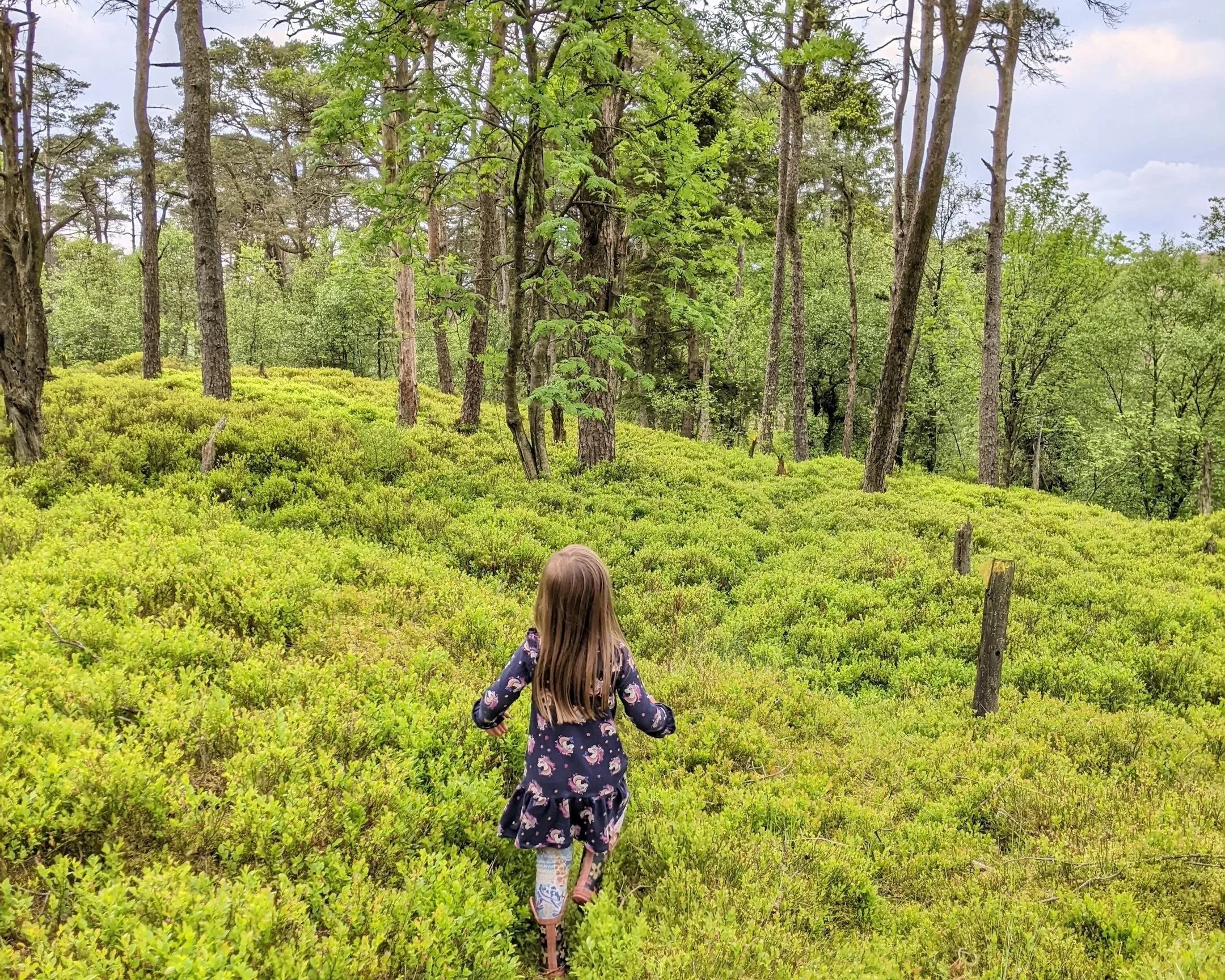
Back when Nethergill was a working livestock farm, young trees stood little chance. Sheep grazed freely through the woodland, nibbling off every new shoot and stopping any natural regeneration. That changed in 2007, when a programme to plant 18,000 trees was agreed. Large‑scale planting like this brings a huge lift in biodiversity.
Each tree was planted into a small raised mound - a “dollop” - an upturned scoop of earth that keeps the roots just above the water table and gives immediate access to the mineral layer beneath the peat. It’s a simple technique that gives young trees a strong start.
Since then, a further 12,000 trees and shrubs have been added to create the right mix of habitat for black grouse, short‑eared and long‑eared owls, woodcock and many others. We have also planted the gill sides to help prevent erosion, and introduced low shrubs such as juniper and holly to provide shelter and ground cover for a wider range of birdlife.
-
Oughtershaw Moss makes up the majority of our land — an exceptionally wet, peat‑rich expanse of around 300 acres. In recent years, the importance of peat as a powerful ally in tackling climate change has been widely recognised.
In the 1960s, government‑funded drainage channels known as “grips” were cut across many upland peatlands. After the war, when food production was paramount, draining these areas became routine to increase grass growth, support more livestock, and feed a growing nation.
In 2016 and again in 2025, the Yorkshire Peat Partnership, part of the Yorkshire Wildlife Trust, funded major restoration work on our Moss. The grips were blocked and sphagnum moss was replanted to help re‑wet the landscape. The transformation has been remarkable. Recent vegetation surveys have recorded several rare moss species - plants not seen in North Yorkshire for many years - returning to the site.
-
Working with the Yorkshire Dales Rivers Trust on a project spanning Upper Wharfedale and beyond, we’re helping to slow the flow of water running off the hills and reduce flood risk further downstream. To support this, leaky dams have been installed in several of our becks, along with off‑line ponds that temporarily hold water during spate conditions, easing the pressure on the river system below.
Where riverbanks were eroding, willow bundling has proved especially effective. Bundles of willow branches are tied together, secured with posts and wire, and woven into the bank. The willow roots quickly, creating a dense, living structure that stabilises the bank and prevents further erosion. What began as erosion control has since become a thriving edge of new habitat, rich with life.
More Information in our Guest Area