
The Past
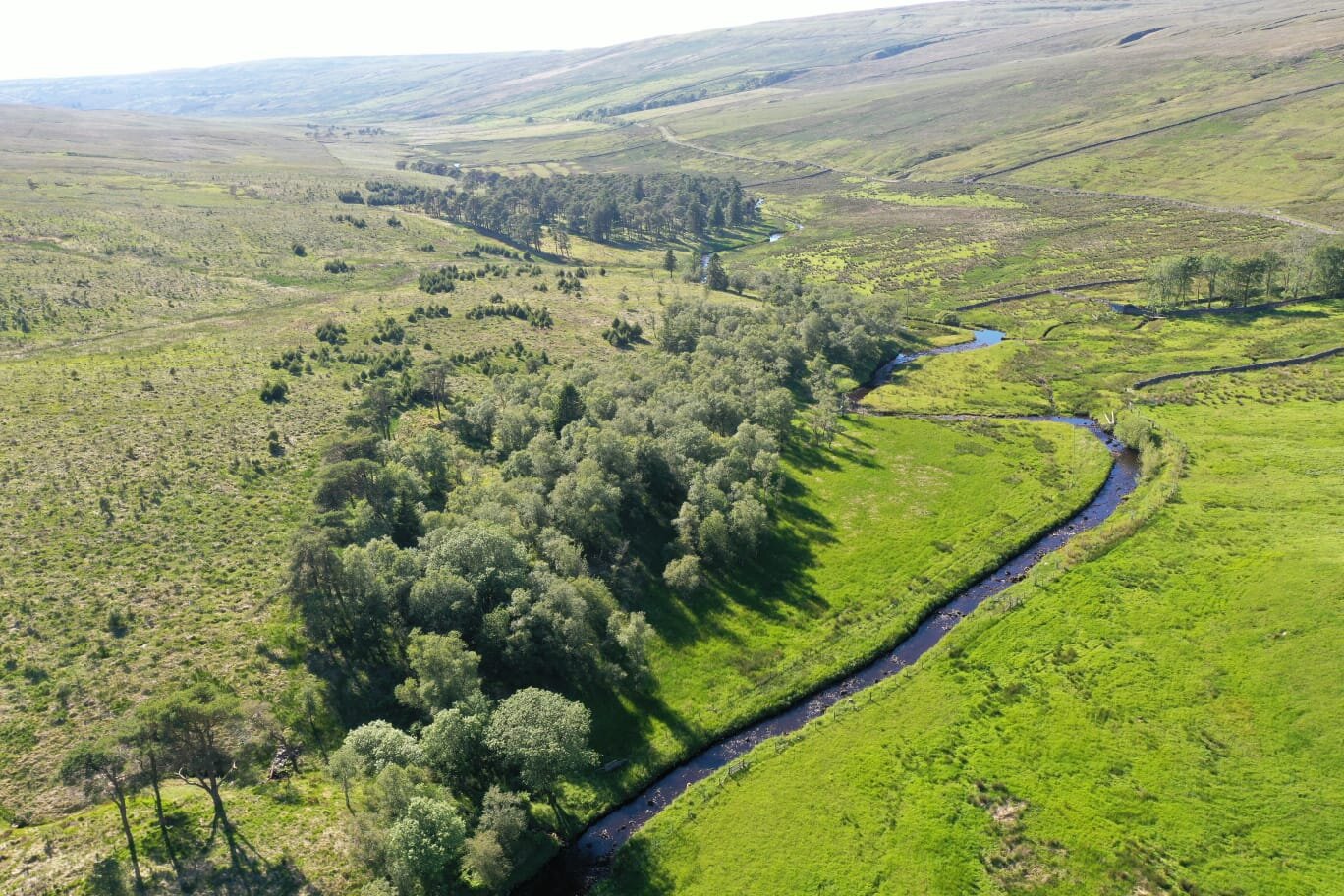
Set in 400 acres between 1,200 and 1,600 feet above sea level, Nethergill nestles quietly into the hillside below the road to Hawes. The large Victorian Farmhouse and traditional farm buildings were built in 1871 and the original occupant a Mr Woodd, cousin to the famous naturalist Charles Darwin. With 70 acres of ‘in bye’ or grazing land around the house and the rest, exposed, wet, peaty, unproductive moorland, the land is perfect for native cattle and the nnative wildlife of the Dales.

The Present
From its beginnings as a traditional upland farm, Nethergill has grown into something quietly special. In 2014, two old haylofts were transformed into warm, simple self‑catering spaces; a field centre was created for learning and exploration; and two wildlife hides were built for those who like to watch the valley in stillness. “Bernard”, our hardworking biomass boiler, now keeps the whole place warm, while solar panels provide most of our electricity — a small, steady commitment to living lightly in the landscape we love.
Restoring What Was Always Here
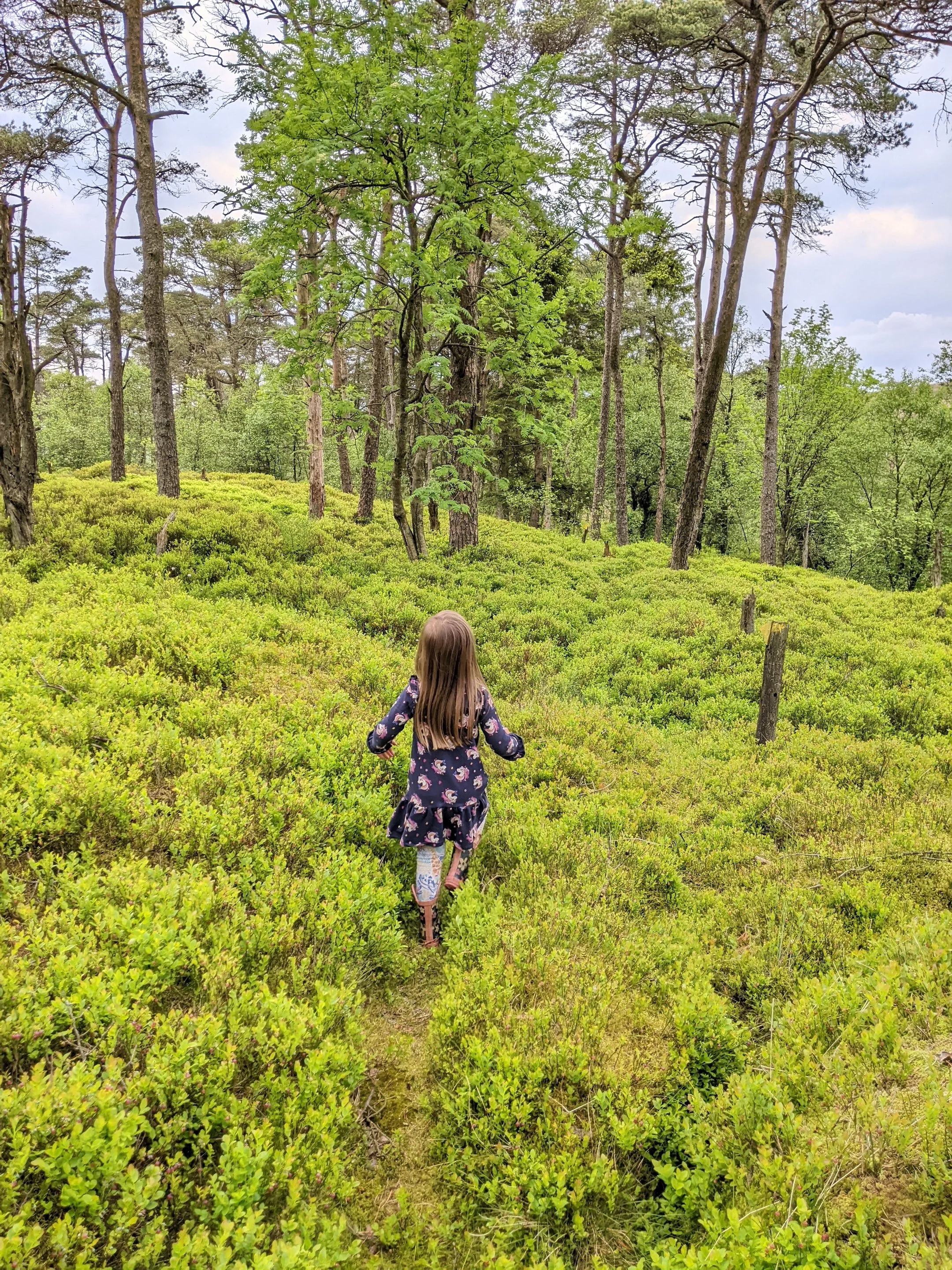
To help wildlife flourish — especially Red Squirrels — we’ve planted 20,000 trees across 30 acres of moorland, creating Ellbeck Wood in partnership with the National Park and Forestry Commission. It sits beside Greenfield Forest and is the 17th Red Squirrel reserve in Britain.
At the same time, our peatland on the moss is being restored with the help of Yorkshire Peat Partnership, volunteers and scientists. The bog pools are returning, the ground is holding water again, and ground‑nesting birds are coming back in growing numbers.
A landscape slowly healing, with many hands behind it.
The Future
Looking ahead, we’re committed to balancing nature recovery with light, careful grazing from our Belted Galloways — a way of farming that enriches biodiversity rather than depleting it.
Over the coming years, we hope to create even more ways for visitors to connect with this landscape:
New wild‑glamping spaces tucked into the valley
A world‑class fitness centre inspired by the outdoors
Hands‑on woodworking workshops
A boardwalk to open up more habitats for everyone to explore
Meat boxes and small‑batch products from cattle raised in this remarkable environment
Nethergill will always stay rooted in the land — we’re simply finding new ways to share it.
Our Story
David and Helen met in 2007, when London was loud and fast and full of promise. Yet even then, their compass pointed north. Every weekend they slipped away to the countryside, learning the quiet languages of land, wildlife and weather — dreaming of a life shaped by open skies rather than office lights.
David’s parents, Malcolm and Helen, shared the same pull toward wilder places. So when Nethergill came up for sale in 2019, the Thomases didn’t hesitate. It felt less like a decision and more like a door opening — the start of an adventure none of them wanted to miss.
Now, with Willow and Ash exploring the fields and watching the seasons turn, the third generation of Thomases is growing up at Nethergill Farm. A family rooted in the Dales, carried forward by the land they chose to call home.